
How to Design an Illuminated Sign That Looks Great Day and Night
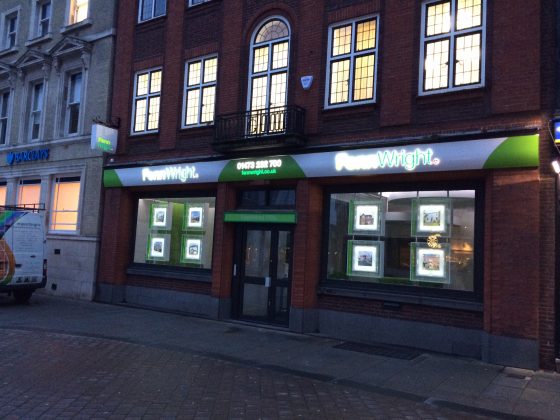
Imagine walking down a high street in the evening. The shop windows glimmer faintly under streetlights, but your eyes are drawn to a vibrant sign glowing confidently in the dark. It’s not just another sign—it’s a beacon, a symbol of a business that demands attention day and night. In this article, we look through the intricacies of how to design an illuminated sign that looks great day and night.
At Impact Signs, we take pride in creating illuminated signs that achieve this very effect, helping businesses stand out no matter the hour. Designing such a sign, however, is both an art and a science.
The Challenge of Designing for Day and Night
Illuminated signs serve a dual purpose: to look striking during daylight and to shine brilliantly at night. However, achieving this isn’t as straightforward as one might assume. Illuminated signs are typically created using translucent vinyl, which allows light to pass through at night, giving them their glowing effect. These colours can sometimes appear muted or dull during daylight, as the light source isn’t active. Careful material selection, lighting placement, and design execution are crucial to ensure a sign performs equally well in both scenarios.
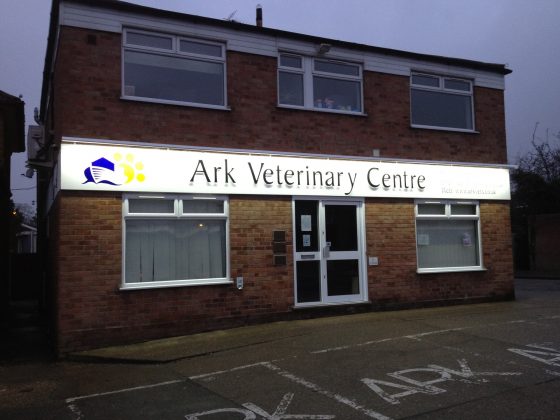
Take, for instance, this sign for the Ark Veterinary Centre. Its bold dark lettering against a white background makes it highly legible during the day, while at night, the backlighting enhances the contrast and ensures the text pops vividly. Signs like these demonstrate how strategic colour and lighting choices can overcome the challenges of day-to-night transitions
The History of Illuminated Signs
Illuminated signage has come a long way. Decades ago, creating a sign meant relying on painstaking hand-painting techniques. Artists used vivid colours and intricate designs to attract attention, though these lacked illumination after dark. Businesses then turned to neon, which revolutionised signage by introducing the iconic glow that could attract customers even in the dead of night. While striking, Neon signs were labour-intensive to produce and not energy-efficient.
The next leap came with the advent of vinyl-cut technology. Instead of hand-painting, businesses could now create clean, sharp designs using vinyl films. This method improved efficiency and durability but was still limited in terms of intricate, full-colour designs. Enter the digital age. Today, we use full-colour digital printing to produce illuminated signs with incredible detail and vibrancy. Combining this with LED lighting technology allows us to craft signs that are as energy-efficient as they are stunning.
Popular Types of Illuminated Signs
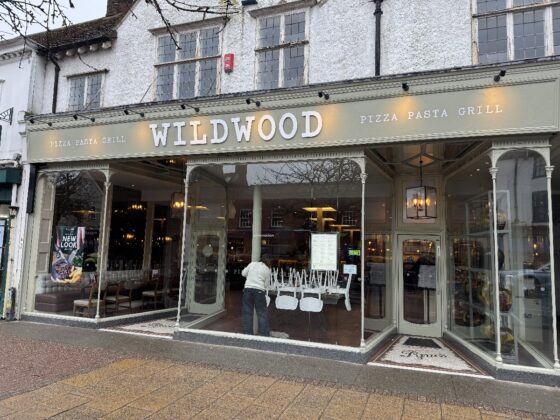
At Impact Signs, we design a variety of illuminated signs to meet the unique needs of our clients. Each type offers distinct advantages and is tailored to specific business requirements. Here are a few of the more common examples:
1. 3D Illuminated Signs
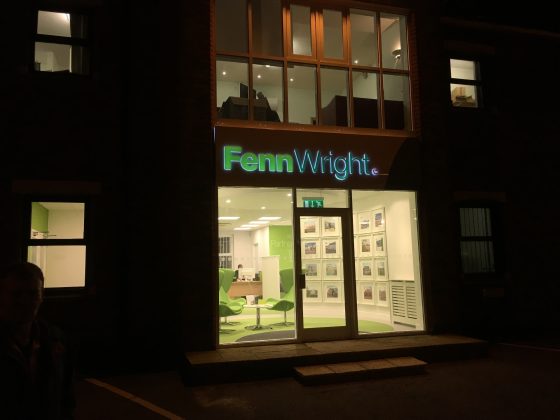
These signs add depth and dimension, making them particularly eye-catching. The letters or logos are built from materials like acrylic or aluminium and illuminated from within using LEDs. An excellent example of this is the sign we produced for Fenn Wright. The combination of depth and backlighting ensures the business name stands out dramatically against its surroundings.
2. 2D Face-Lit Signs
These are flat signs where only the face is illuminated. They’re ideal for sleek, modern aesthetics.
3. Backlit Signs
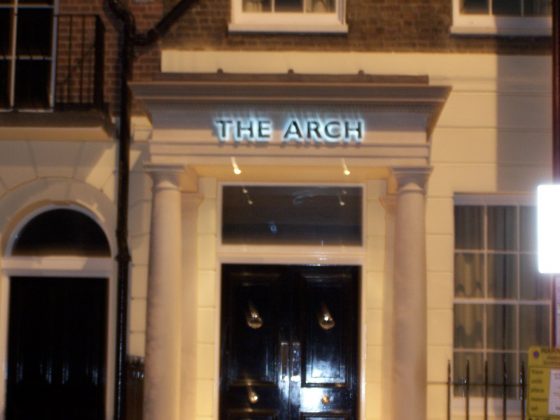
Backlit signs rely on illumination from behind to create a glowing effect around the text or logo. The soft, halo-like glow enhances readability at night and the backlit design adds sophistication to a business facade.
4. Illuminated imagery
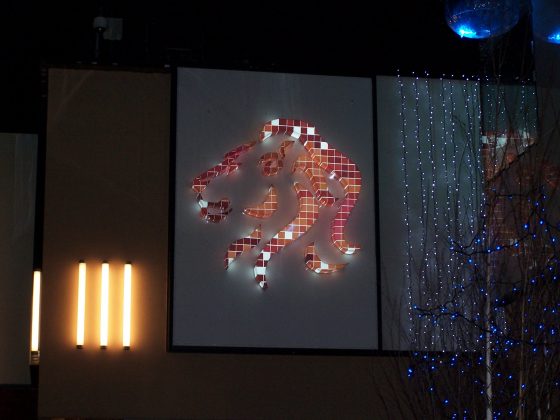
Illumination isn’t just for traditional signs. It can also be used for images. We produced the striking illuminated 3D image of a lion for Red Lion Walk in Colchester. The mosaic design reflects the history of Roman Colchester, and the eye-catching colours make it look excellent in daylight. However, the LEDs transform the warm colours into a dazzling display when night falls.
 What Goes Into Designing a Successful Illuminated Sign
Creating an illuminated sign isn’t just about slapping a few lights behind some vinyl. It requires careful consideration of various factors, from material selection to lighting placement. Here are some key insights from our process:
- Material Choice Matters
High-quality materials are non-negotiable. Translucent vinyl ensures that the sign’s colours remain vibrant while allowing light to shine through. For 3D signs, durable acrylic or aluminium creates depth and longevity. - Lighting Placement is Critical
Poorly placed lights can result in uneven illumination, ruining the sign’s appearance at night. LEDs are often the best choice due to their brightness, energy efficiency, and flexibility in placement. - Colour Contrast Enhances Visibility
During the design phase, we ensure a strong contrast between the text and background. It improves readability during the day and maximises the impact of the lighting at night.
Conclusion
Designing an illuminated sign that works seamlessly both day and night is no small feat, but it’s a challenge we at Impact Signs relish. Whether it’s a 3D illuminated masterpiece, a sleek 2D face-lit sign, or a subtle backlit design, we craft our signs with care, expertise, and attention to detail.
Key Takeaways:
- Material selection is crucial to maintaining vibrant colours during the day and effective illumination at night.
- Lighting design ensures even brightness and maximises visual impact without overexposing.
- Customisation allows us to tailor each sign to the unique needs of a business, from bold 3D designs to elegant backlit creations.
At Impact Signs, we don’t just create signs; we craft experiences that elevate brands. Visit our portfolio to see more of our work, and let us help your business shine—day and night.
Further Reading
The Power of Visual Communication: How Signs and Graphics Can Boost Your Product Advertising