
The Top 5 Materials for Durable and Attractive Building Signs
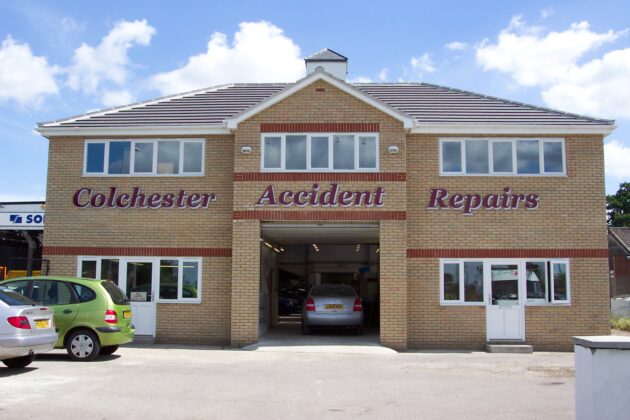
Building signage is more than just identification; it’s the voice of your business, speaking to every passer-by and potential customer. A great sign doesn’t merely display a name; it communicates the essence of your brand. In this blog, we explore the top 5 materials for durable and attractive building signs.
From the bustling streets of the city centre to suburban business parks, a well-crafted sign can draw eyes and create connections. But what makes a building sign exceptional? What transforms it into a durable, attractive, and memorable feature?
The answer lies in the material. The right material can elevate a sign’s aesthetic appeal, ensure longevity, and align it with your brand’s identity. You need a sign that stands the test of time and looks as pristine as the day it was installed years later.
In this article, we explore some of the more popular exterior sign materials so that you can make an informed choice for your building signage.
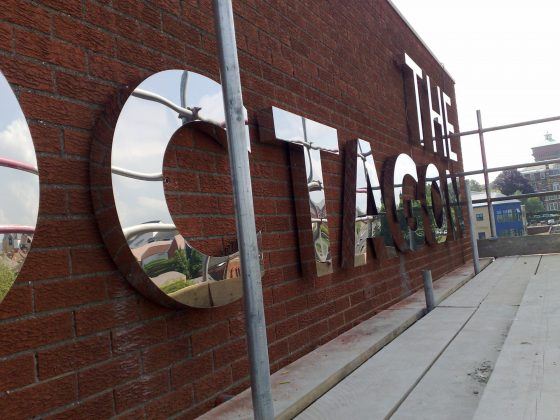 Aluminium: The Epitome of Modern Elegance
When one thinks of durability in signage, aluminium often comes to mind. A lightweight yet incredibly sturdy material, aluminium has earned its place as a favourite for businesses across various sectors. It offers an impressive combination of corrosion resistance, strength, and adaptability. One of its standout qualities is its ability to withstand harsh weather conditions without succumbing to rust or wear. An aluminium sign remains steadfast in rain, sun, or snow, retaining its polished look for years.
What’s more, aluminium lends itself beautifully to customisation. Whether brushed, painted, or powder-coated, the finish can be tailored to match any brand aesthetic. Its sustainability also makes it a conscious choice for businesses aiming to reduce their environmental footprint. Aluminium is endlessly recyclable without losing quality, meaning your sign can be as eco-friendly as it is eye-catching.
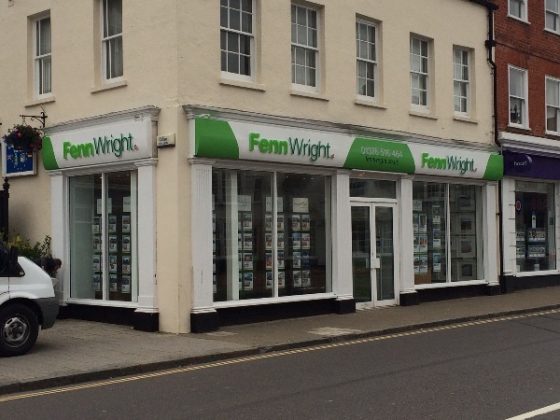
Acrylic: The Versatile Crowd-Pleaser
Acrylic presents a world of design possibilities. This material is known for its glass-like clarity, providing a modern, polished look without the fragility of glass. This makes it perfect for businesses that want to exude a contemporary and professional vibe.
One of the reasons acrylic has gained immense popularity is its adaptability. Acrylic performs exceptionally well when used for illuminated signs, three-dimensional lettering, or even as a base for vinyl overlays. Its smooth surface ensures vibrant graphics and crisp lettering, making logos and designs pop. Many high-end retailers and luxury boutiques use acrylic signs to create a premium feel. The material’s ability to play with light adds an extra layer of intrigue, particularly in illuminated signage, where backlighting transforms a simple sign into a captivating display.
Acrylic’s durability is another feather in its cap. While it doesn’t possess the same indestructibility as metal, it can withstand daily wear and tear, making it an excellent option for both indoor and outdoor use. However, proper installation and care are essential to prevent scratches or damage over time.
Stainless Steel: The Timeless Classic
For businesses that value durability and a timeless aesthetic, stainless steel remains unparalleled. Known for its robust nature and sleek finish, stainless steel signs indicate strength and reliability. We often use this material in corporate offices, luxury hotels, and high-end commercial properties, where the polished surface exudes a sense of permanence and prestige.
What sets stainless steel apart is its remarkable corrosion resistance. It makes it an ideal choice for outdoor signage, especially in areas with high humidity or exposure to salty air, such as coastal regions. The material’s reflective quality can also be used creatively, catching light to draw attention during the day and creating a striking silhouette at night.
Moreover, stainless steel allows for intricate design work. From cut-out lettering to laser-etched logos, the precision achievable with this material is extraordinary. While it may come with a higher upfront cost, the long-term benefits of durability and maintenance make it a worthwhile investment.
Wood: The Warm and Welcoming Option
Wooden signs evoke a sense of nostalgia and charm, making them an excellent choice for businesses that wish to appear approachable, rustic, or artisanal. From quaint cafés nestled in cobblestone alleys to boutique shops with handcrafted wares, wood creates an inviting ambience that metal or acrylic cannot replicate.
The appeal of wood lies in its natural beauty. Each grain tells a unique story, and the variety of finishes available, from varnished oak to weathered driftwood, offers endless creative opportunities. Hand-painted lettering or engraved designs further enhance the rustic aesthetic, lending authenticity to the business.
However, wood does come with its challenges. While undeniably attractive, it requires proper treatment and maintenance to protect it from moisture, pests, and UV damage. Sealing and regular upkeep are essential for outdoor signs to prolong the material’s life. But for those willing to invest the effort, wooden signs offer a distinctive look that truly sets them apart.
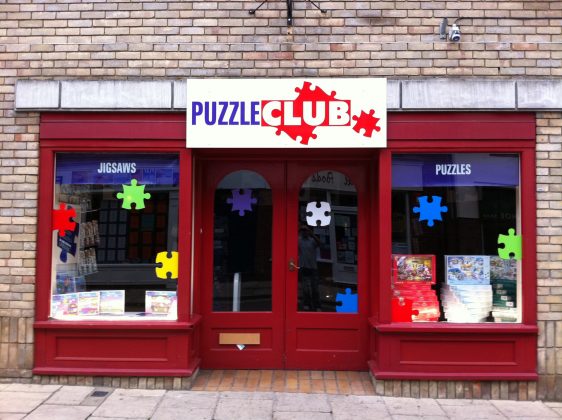 PVC: The Affordable All-Rounder
Last but certainly not least, PVC (or polyvinyl chloride) has carved a niche for itself in the world of building signs. This lightweight, cost-effective material is a go-to option for businesses looking for durability without breaking the bank. PVC signs are highly versatile and capable of mimicking more expensive materials like metal or wood, making them an excellent choice for temporary or semi-permanent installations.
PVC’s durability lies in its resistance to weather and wear. It doesn’t warp, rot, or rust, ensuring it maintains its appearance even in challenging conditions. This makes it an ideal choice for outdoor applications, where budget considerations play a significant role.
Additionally, PVC can be cut into various shapes, sizes, and thicknesses, offering significant design flexibility. Many small businesses and startups lean towards PVC for its affordability and adaptability, creating bold and colourful signage that stands out.
That said, PVC is not as eco-friendly as some of its counterparts. While it’s recyclable, the processes involved can be more complex. For businesses committed to sustainability, this may require careful consideration.
Bringing It All Together
The journey to the perfect building sign is one of balance. It’s about understanding the interplay of materials, design, and purpose. Whether you opt for the sleek sophistication of aluminium, the polished versatility of acrylic, the enduring charm of stainless steel, the rustic warmth of wood, or the cost-effective adaptability of PVC, each material brings something unique to the table.
When making your choice, think beyond the immediate visual impact. Consider the environment where the sign will live, the brand image you wish to project, and the maintenance you’re prepared to undertake. Every material has its strengths and limitations, but with the right approach, you can create a sign that stands the test of time and projects the right image for your brand.
We at Impact Signs have worked with various building sign materials over the years and can help you decide on the most suitable material for your next sign. Just get in touch!
A Summary of Key Points:
- Aluminium: Lightweight, corrosion-resistant, endlessly recyclable, and ideal for modern, sophisticated designs.
- Acrylic: Glass-like clarity, highly customisable, and perfect for illuminated or vibrant signage.
- Stainless Steel: Durable, corrosion-resistant, and exudes a timeless, premium aesthetic.
- Wood: Natural, warm, and charming, though requiring regular maintenance for outdoor use.
- PVC: Affordable, versatile, and weather-resistant, but less eco-friendly compared to other options.
Further Reading
Boost Your Business Visibility: Discover the Advantages of Using Banner Signs